
Can Blood Sugar Cause Panic Attacks? What the Research Actually Shows
You're sitting quietly, nothing dramatic has happened, and suddenly your heart is pounding, you're sweating, your hands are shaking, and a wave of dread rolls through you. Is this a panic attack - or is it your blood sugar?
For many women over 35, the honest answer is: it could be either, and they can feel almost identical. Understanding the overlap between hypoglycemia (low blood sugar) and panic attacks is one of the most useful things you can learn about your own body.
The Symptom Overlap Is Real - and Well Documented
When blood glucose drops below a healthy range, your body treats it as an emergency. It releases adrenaline, cortisol, and glucagon to push glucose levels back up quickly. That hormonal surge produces:
A racing or pounding heart
Sweating
Trembling or shakiness
Sudden irritability or a sense of unease
Lightheadedness or a "shaky" feeling
A wave of fear that seems to come from nowhere
Sound familiar? These are also textbook panic attack symptoms. Clinicians who work in both metabolic health and mental health note that the symptom picture can be genuinely indistinguishable in the moment - which is exactly why so many women assume they're "just anxious" when their body may actually be asking for fuel.
What the Research Says
It's important to be precise here: research does not show that anxiety disorders cause true hypoglycemia in otherwise healthy people. In one often-cited clinical study, patients with panic disorder who were given a substance to induce panic did not show low blood sugar at the onset of their symptoms - meaning panic itself isn't caused by a blood sugar crash in every case.
But the relationship runs strongly in the other direction: low blood sugar absolutely can trigger anxiety-like symptoms and panic sensations. Some clinical reviews estimate a notable proportion of people with anxiety disorders also experience genuine hypoglycemic episodes, and people managing diabetes face meaningfully higher rates of anxiety, partly because of this overlapping symptom picture.
The relationship also tends to become circular. A blood sugar crash can trigger panic-like symptoms, and the fear of another crash - or another panic attack - can create its own anxiety loop, making you hypervigilant about your body's every sensation.
Two Different Problems, Two Different Fixes
This is the key distinction to hold onto:
True hypoglycemia is fixed by eating something with carbohydrates and protein, and is generally prevented by regular, balanced meals.
An anxiety or panic episode is better addressed with nervous system regulation techniques - slow breathing, grounding, and reducing perceived threat.
Knowing which one you're dealing with changes what actually helps in the moment.
How to Tell the Difference in the Moment
Ask yourself:
When did I last eat, and what was in it? If it's been more than 4 hours, or your last meal was mostly refined carbs or sugar, blood sugar is a real contender.
Does eating something help within 15-20 minutes? If symptoms ease noticeably after eating, that's a strong sign blood sugar was involved.
Is there an obvious emotional trigger? A stressful email, an argument, a triggering thought - these point more toward a psychological or nervous system response.
Am I trembling and hungry, or specifically fearful and mentally spiralling? Both can occur together, but noticing which came first is useful information over time.
You don't need a lab test to start building this awareness - a simple symptom-and-food diary for two weeks will usually reveal your personal pattern
The Fear-of-Symptoms Cycle
One of the most important things to understand about the overlap between blood sugar and panic is how easily a cycle can form. Say you experience a genuine glucose dip that produces racing heart and trembling. If you interpret that purely as "a panic attack happening for no reason," it's natural to become more alert to any similar sensation in future - checking your heart rate, scanning your body for symptoms, bracing for the next episode.
That hypervigilance is itself a nervous system activator. So now you have two things layered on top of each other: the original physiological trigger (a glucose dip), and a learned fear response to the sensations it produces. Untangling the two - through both stable blood sugar and nervous system regulation work - is usually far more effective than addressing either alone.
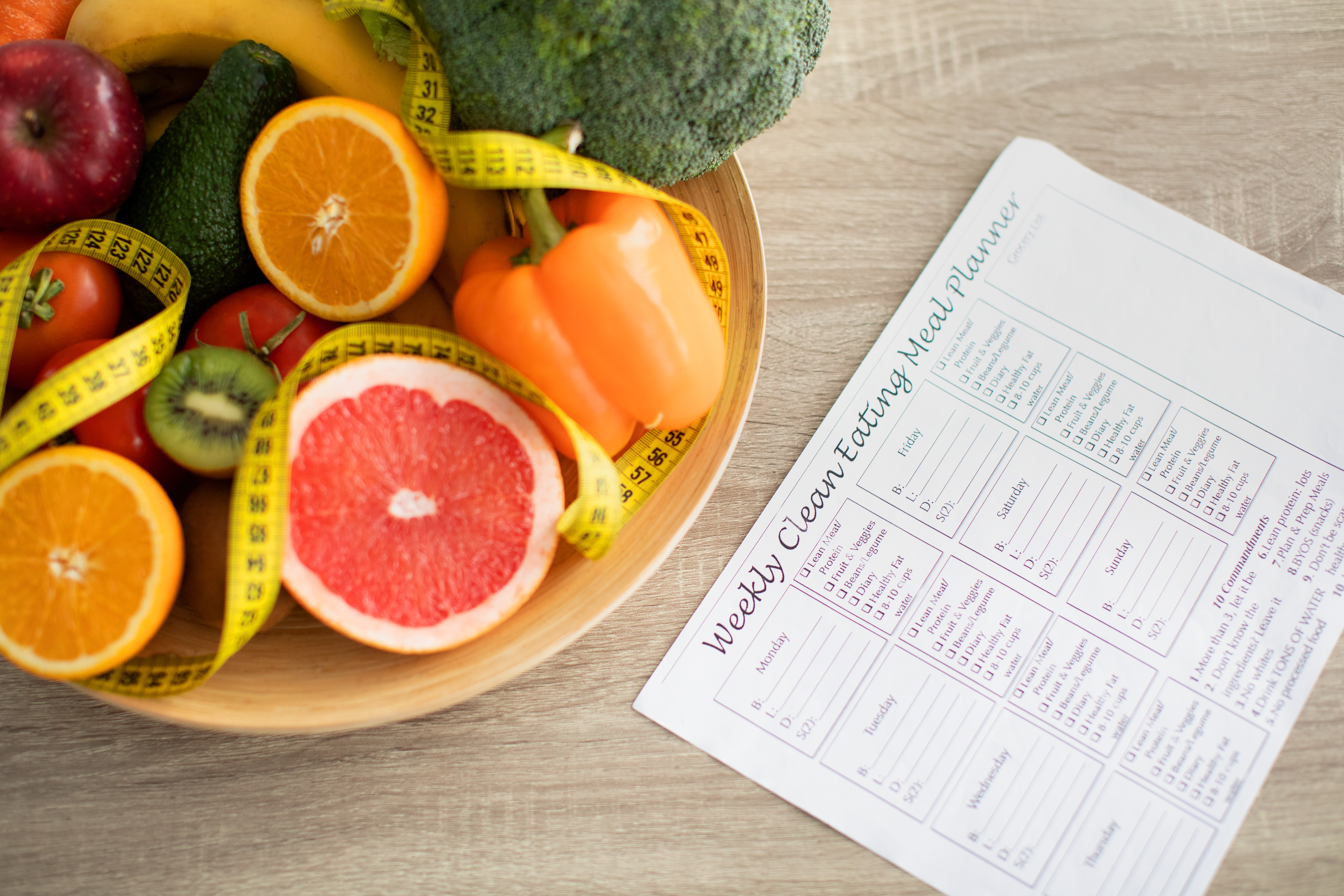
Building Your Own Two-Week Tracking Sheet
If you want to figure out your own pattern rather than guessing, a simple daily log for two weeks is one of the most useful (and free) tools available. For each episode of anxiety-like symptoms, jot down:
Time of day
What and when you last ate
Whether eating something eased the symptoms, and how quickly
Any obvious emotional trigger beforehand
How intense the symptoms felt, on a scale of 1-10
Within a week or two, most women can see a clear pattern emerge - whether their episodes cluster around specific meal gaps, particular times of day, or particular emotional triggers, or some combination of both.
Why This Matters More After 35
Blood sugar regulation naturally becomes less forgiving with age, particularly through perimenopause, when shifting estrogen and progesterone affect insulin sensitivity. This means the same meal that felt "fine" in your late 20s might produce a bigger glucose swing - and a bigger anxiety-like reaction - in your 40s.
This is also why the timing of your first meal matters so much. We break down exactly why in Why Protein at Breakfast Matters for Anxiety - but the short version is that a protein-forward start to the day creates a much flatter, steadier glucose curve than a carb-heavy one, which directly reduces your risk of afternoon crash-triggered anxiety. We also explore the daily timing pattern in Why Anxiety Gets Worse in the Afternoon.
Practical Steps to Stabilise Blood Sugar and Reduce Anxiety-Like Episodes
Never skip breakfast, and make sure it includes protein (eggs, Greek yoghurt, or a protein smoothie), not just carbohydrates.
Eat every 3-4 hours to avoid the deep dips that trigger a stress-hormone rebound.
Pair carbohydrates with protein, fibre, or healthy fats at every meal to slow glucose absorption.
Limit sugary drinks and refined snacks eaten alone, especially on an empty stomach.
Keep a small protein-rich snack on hand - nuts, boiled eggs, or cheese - for when a meal is delayed.
Notice your caffeine timing. Coffee on an empty stomach can amplify the same stress-hormone response as a blood sugar dip.
When to See a Professional
If you're experiencing frequent, severe, or unexplained episodes that resemble panic attacks, it's worth having your blood sugar formally checked by your GP - particularly if you have a family history of diabetes or notice a consistent pattern tied to meal timing. This article is educational and general in nature and isn't a substitute for individual medical assessment.
Stop Guessing - Learn Your Own Pattern
You don't have to figure this out alone, and you definitely don't need to overhaul your entire diet overnight. Inside the HEALthy Membership, each week's live workshop walks you through one small, doable shift - like structuring a blood-sugar-stable breakfast or building your own two-week symptom tracker - so you can finally tell the difference between "I need food" and "I need to calm my nervous system."
Ready to get out of the guessing game? Join the HEALthy Membership for this week's live workshop and ongoing support.
Frequently Asked Questions
Can anxiety itself cause low blood sugar?
Generally, no - in otherwise healthy people, anxiety doesn't directly cause true hypoglycemia. The relationship mostly runs the other way: low blood sugar can trigger anxiety-like symptoms, though anxiety can indirectly affect eating patterns in ways that make blood sugar swings more likely.
Should I get my blood sugar tested if I think this is happening to me?
If episodes are frequent, severe, or you have risk factors for diabetes, yes - a simple test through your GP can clarify whether true hypoglycemia is involved, which helps you know exactly what you're working with.
What should I eat during an episode if I'm not sure if it's blood sugar or anxiety?
A small snack combining fast-acting carbohydrate with some protein (like fruit with a handful of nuts, or crackers with cheese) is a safe first step either way - it addresses a genuine glucose dip quickly, and even if the episode turns out to be purely anxiety-driven, eating something rarely does harm and can help you feel more grounded
Further Reading (External Sources)
Related Reading on Our Blog
This article is for educational purposes and is not a substitute for personalised medical advice. If you experience recurrent or severe symptoms, please speak with your doctor.
